
Music has always played a vital role in the growth and development of children. Learning an instrument, especially the piano, offers benefits that go beyond simply playing music.
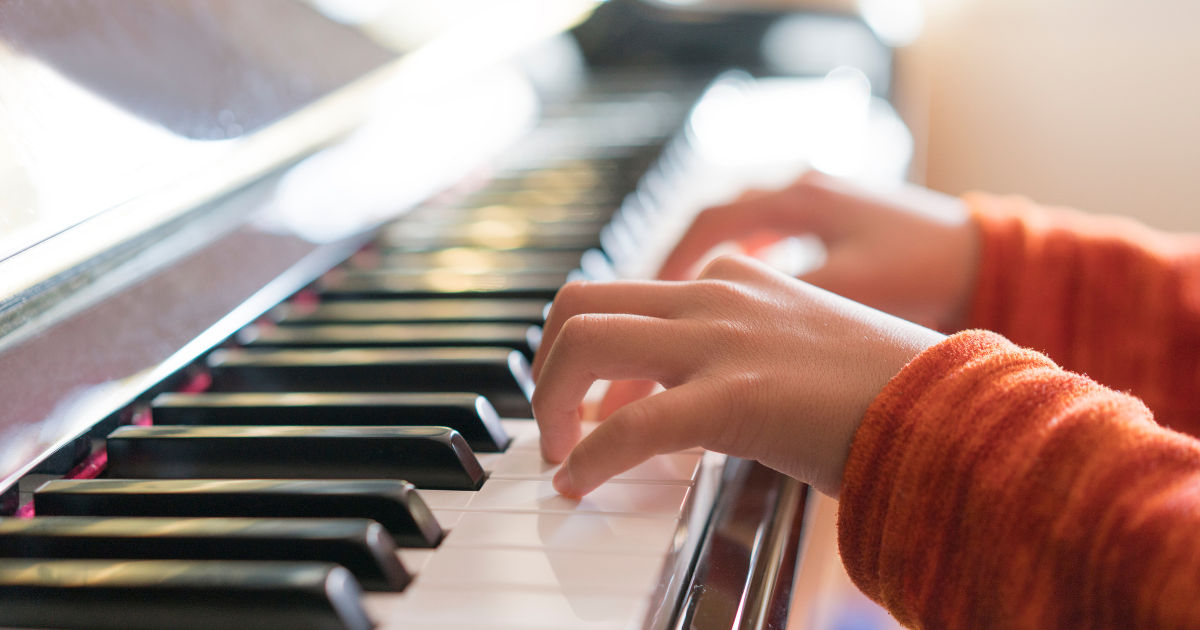
If you are a parent in Austin considering musical education for your child, enrolling them in Private piano lessons Austin can be a life-changing decision.
This comprehensive guide will explore everything you need to know about private piano lessons for children, including their benefits, what to expect, and how to choose the right instructor.
Why Choose Private Piano Lessons for Children
Private piano lessons offer a personalized learning experience that group classes often cannot provide. When children receive one-on-one instruction, the teacher can tailor lessons to their skill level, learning style, and pace. This individualized approach ensures that children develop a strong foundation and avoid forming bad habits early on.
Private piano lessons Austin offer this customized experience, allowing children to progress more effectively while building confidence in their abilities. Unlike group lessons, private sessions also provide immediate feedback, which is crucial for mastering complex piano techniques.
Benefits of Piano Lessons for Children
Cognitive Development
Learning to play the piano enhances cognitive abilities in children. Research shows that children who play the piano improve their memory, problem-solving skills, and concentration. The process of reading music and translating it into finger movements stimulates both hemispheres of the brain, fostering intellectual growth.
Emotional Growth
Music allows children to express themselves emotionally. Private piano lessons encourage creativity, helping children develop self-awareness and emotional intelligence. Playing the piano can also be therapeutic, reducing stress and promoting relaxation.
Discipline and Focus
Regular piano practice instills discipline in children. Through Private piano lessons Austin, children learn the importance of consistent practice, goal-setting, and time management. These skills often transfer into other areas of life, including academics and extracurricular activities.
Social Skills and Confidence
While piano lessons are typically solitary, performing in recitals or small gatherings helps children build social skills. Achieving musical milestones in Private piano lessons Austin boosts self-esteem and fosters a sense of accomplishment.
Understanding Different Piano Teaching Methods
Selecting the right teaching method is essential to a child’s progress. Various approaches exist, each with unique advantages.
Traditional Method
The traditional method focuses on reading sheet music and classical techniques. It emphasizes discipline, hand positioning, and music theory. This method is ideal for children who enjoy structured learning and aspire to develop classical piano skills.
Suzuki Method
The Suzuki method emphasizes learning by listening and imitation, similar to how children acquire language skills. Students often begin playing by ear and gradually transition to reading music. This method is highly effective for young children and those with a strong auditory learning style.
Contemporary/Popular Music Approach
Some instructors incorporate contemporary music, making lessons more engaging for children. Playing familiar songs can motivate children and make learning enjoyable. Private piano lessons Austin often offer flexibility in song selection, ensuring that children remain interested and motivated.
How to Choose the Right Piano Teacher
Choosing a teacher is one of the most important decisions for your child’s musical journey. Here are key factors to consider:
Qualifications and Experience
Look for instructors with formal education in music and experience teaching children. Teachers with a background in pedagogy understand how to adapt lessons to a child’s developmental stage.
Teaching Style
Every child learns differently. Some children respond well to strict guidance, while others thrive in a more relaxed and playful environment. Discuss teaching methods with potential instructors to ensure a good match.
Communication Skills
A teacher should communicate effectively with both the child and parent. Clear instructions, encouragement, and constructive feedback are essential for a positive learning experience.
Location and Schedule
Convenience matters. Choose Private piano lessons Austin locations that are easily accessible. Flexible scheduling ensures that lessons fit into your child’s routine without adding stress.
Setting Realistic Goals for Piano Lessons
Short-Term Goals
Short-term goals help children stay motivated. These could include learning a new song, mastering a scale, or performing in a small recital. Setting achievable milestones ensures children feel accomplished and engaged.
Long-Term Goals
Long-term goals provide direction and purpose. They could involve preparing for music exams, participating in competitions, or performing in concerts. Private piano lessons Austin instructors often help children set realistic long-term objectives, fostering a sense of commitment and dedication.
The Role of Practice in Piano Learning
Practice is the backbone of musical development. Children need structured practice sessions that focus on technique, musicality, and repertoire.
Creating a Practice Routine
Consistency is key. Encourage your child to practice at the same time each day in a quiet, distraction-free environment. Short, focused sessions are often more effective than long, irregular practice.
Tracking Progress
Use practice journals or apps to track improvements. Seeing tangible progress motivates children and helps teachers adjust lessons to address specific challenges.
Balancing Fun and Discipline
While practice is essential, maintaining fun is equally important. Incorporate games, challenges, or duet sessions to make learning enjoyable. Private piano lessons Austin can offer creative approaches to keep children engaged.
Common Challenges in Piano Lessons
Learning piano is rewarding but comes with challenges. Understanding these hurdles can help parents and teachers support children effectively.
Frustration and Lack of Motivation
Children may get frustrated if progress is slow. Encouragement, positive reinforcement, and celebrating small achievements help overcome these feelings.
Physical Strain
Young children may experience hand fatigue or poor posture. Teachers should ensure proper hand positioning and take breaks during practice to prevent strain.
Balancing Piano with Other Activities
Children often have busy schedules. Parents should help balance piano practice with schoolwork, sports, and social activities. Private piano lessons Austin often offer flexible schedules to accommodate children’s busy lives.
Choosing the Right Piano for Your Child
Having the right instrument is crucial. Parents should consider the following:
Acoustic vs. Digital Pianos
Acoustic pianos provide authentic sound and feel, ideal for serious learners. Digital pianos are often more affordable, portable, and come with volume control, making them suitable for home use.
Size and Key Action
Ensure the piano is appropriate for the child’s age and hand size. Weighted keys simulate the feel of an acoustic piano and build finger strength.
Maintenance
Acoustic pianos require regular tuning, while digital pianos are low maintenance. Consider your commitment to upkeep when choosing an instrument.
Preparing for Piano Recitals and Exams
Performance is an integral part of learning piano. Recitals and exams provide goals and motivation.
Recitals
Recitals help children gain confidence and stage experience. They also allow parents to witness their child’s progress. Private piano lessons Austin teachers often organize small recitals or studio concerts.
Music Exams
Formal music exams, such as those from ABRSM or Trinity College London, provide structured benchmarks for progress. Exams test technique, theory, and performance skills, giving children a sense of achievement.
How Private Lessons Differ from Group Lessons
Private lessons offer a focused, personalized approach, while group lessons may lack individual attention. In one-on-one sessions, teachers can address specific challenges, adapt teaching methods, and progress at a pace suitable for the child. This personalized approach is why many parents in Austin prefer Private piano lessons Austin for their children.
Cost of Private Piano Lessons in Austin
The cost of private piano lessons varies depending on factors like teacher experience, lesson duration, and location. On average, lessons in Austin range from $40 to $80 per hour. While private lessons may seem expensive compared to group classes, the benefits of personalized instruction often outweigh the costs.
Tips for Budget-Friendly Options
-
Consider shorter lesson durations (30–45 minutes) for younger children.
-
Look for local music schools offering package deals.
-
Explore community programs or scholarships for music education.
Online vs. In-Person Piano Lessons
Both online and in-person lessons have advantages.
In-Person Lessons
These allow direct interaction, immediate feedback, and hands-on guidance. They are ideal for younger children who require more supervision.
Online Lessons
Online lessons provide flexibility and convenience. With video calls, children can learn from experienced instructors anywhere. Private piano lessons Austin often offer hybrid models to combine the benefits of both.
Encouraging Lifelong Musical Skills
The goal of piano lessons is not just to play music but to instill a lifelong appreciation for it. Parents can support this by encouraging practice, attending performances, and discussing music at home. Children who enjoy their learning experience are more likely to continue playing piano into adulthood.
Conclusion
Choosing Private piano lessons Austin for your child is a significant investment in their intellectual, emotional, and social development. From cognitive benefits to emotional expression and discipline, piano lessons provide a wide array of advantages that go beyond music. By understanding the different teaching methods, selecting the right instructor, and creating a supportive learning environment, parents can help their children flourish as musicians and individuals.
Whether your child aspires to play classical pieces, modern songs, or perform in concerts, private piano lessons offer the personalized attention necessary for success. With dedication, encouragement, and the right guidance, children in Austin can unlock their musical potential and enjoy a lifelong love of music.