
Month: December 2025

What Are the Key Waste Management Challenges in Reno?What Are the Key Waste Management Challenges in Reno?

The topic of waste management in reno nv has become increasingly important as the city grows, urbanizes, and faces new environmental pressures. Every household, business, and public space contributes to the expanding waste stream, making waste management in reno nv a major concern for policymakers and residents.

In this comprehensive guide, we will explore the biggest challenges connected to waste management in reno nv, why they exist, and what steps can be taken to solve them. From population growth to recycling inefficiencies, understanding these issues helps communities build a cleaner, more sustainable future — and highlights why waste management in reno nv needs focused action.

Reno’s Growing Waste Problem

As Reno continues to expand, so does the volume of solid waste. The demand for waste management in reno nv has increased due to rising population, business development, and tourism. These factors create strain on existing systems, making waste management in reno nv more complex and costly. Modern waste streams include everything from food scraps and plastics to hazardous materials, requiring advanced processing methods. Without improvements, waste management in reno nv will struggle to keep up with demand, leading to environmental and economic consequences.

Population Growth and Urban Sprawl

One of the biggest challenges for waste management in reno nv is the city’s rapid growth. More residents mean more trash, and more trash requires better systems. Reno’s expansion into suburban areas increases collection routes, fuel use, and operational expenses. Each new neighborhood adds pressure to existing facilities, showing how population growth directly impacts waste management in reno nv. In addition, as new construction projects emerge, the amount of construction waste rises, complicating waste management in reno nv even further.

Limited Recycling Infrastructure

Another major issue is Reno’s limited recycling capacity. Many residents want to recycle, but the system struggles with contamination, outdated sorting equipment, and limited market demand for recyclables. This makes waste management in reno nv particularly challenging because recyclable materials often end up in landfills. When contamination occurs—such as mixing food waste with paper—the entire batch may be discarded. This breakdown in recycling efficiency contributes to growing landfill pressure and weakens the long-term sustainability of waste management in reno nv.

Landfill Dependence and Capacity Issues

Reno relies heavily on landfills, and this dependence raises red flags for future planning. As the landfill nears capacity, the cost of land acquisition, transportation, and development increases. This makes waste management in reno nv much more expensive in the long run. Landfills also generate methane, a potent greenhouse gas, further complicating the environmental side of waste management in reno nv. With limited space and rising waste volumes, the city must consider alternatives before the system becomes overwhelmed.

Hazardous Waste Disposal Concerns

Proper disposal of hazardous waste is critical for public health. Items like batteries, chemicals, paint, and electronics cannot be tossed into regular bins. Unfortunately, improper disposal remains common, making hazardous materials a major problem in waste management in reno nv. When these items end up in the landfill, they can leak toxins into soil and groundwater. Improving hazardous waste drop-off programs would strengthen waste management in reno nv, but awareness and accessibility remain barriers.

Commercial Waste and Business Growth

Reno’s economic growth, especially in hospitality, gaming, and technology, has increased commercial waste production. Restaurants create large amounts of food waste, hotels dispose of packaged goods daily, and tech companies generate electronic waste. This surge creates added strain on waste management in reno nv systems. Businesses require specialized recycling programs and frequent pickups, but coordination and cost challenges limit improvement. A stronger commercial waste strategy would significantly enhance the effectiveness of waste management in reno nv.

Seasonal and Tourism-Driven Waste

Tourism brings financial benefits, but also more waste. Special events, festivals, and casino tourism contribute tons of additional trash every year. This seasonal spike makes waste management in reno nv unpredictable and difficult to plan. Labor shortages, equipment strain, and overflowing bins become common during high-traffic months. Improving staffing and temporary collection systems could help stabilize the seasonal impact on waste management in reno nv.

Illegal Dumping and Public Cleanliness

Illegal dumping is another persistent challenge. Abandoned furniture, appliances, and construction debris often appear in public spaces, creating sanitation issues and affecting neighborhood quality. This behavior strains waste management in reno nv, forcing the city to allocate extra resources for cleanup. Illegal dumping also blocks waterways, harms wildlife, and reduces community appeal. Better enforcement, public education, and affordable disposal services could reduce this burden on waste management in reno nv.

Waste Collection Logistics and Routing

Efficient routing is essential for smooth waste collection, but Reno’s expanding geography makes this increasingly complicated. Longer routes require more fuel, more staff, and more fleet maintenance. These factors increase operational stress on waste management in reno nv. As diesel prices fluctuate and vehicle aging becomes a factor, the cost of running the system rises. Optimizing routing technology would support the productivity of waste management in reno nv and reduce unnecessary waste collection delays.

Organic Waste and Composting Limitations

Organic waste makes up a significant portion of household trash. However, Reno’s composting facilities are limited, causing organic materials to end up in landfills. This adds to methane emissions and undermines environmentally friendly goals. Expanding compost programs would greatly improve waste management in reno nv, but there are challenges: program costs, resident participation, and facility limitations. Without more investment, organic waste will continue to be a major strain on waste management in reno nv.

Public Awareness and Education

Education plays a crucial role in waste reduction. Many residents are unaware of what can be recycled, how to compost correctly, or where to dispose of hazardous items. This lack of awareness complicates waste management in reno nv because contamination levels rise and system efficiency declines. Creating community outreach programs, school campaigns, and clear guidelines would greatly support waste management in reno nv and reduce mistakes that contribute to overflow and operational inefficiencies.

Environmental Regulations and Compliance

Environmental laws protect public health but add regulatory pressure on waste companies. Compliance requires investment in technology, labor, reporting, and monitoring. These added requirements increase the cost of waste management in reno nv. When regulations change, the city and private providers must adjust quickly, and this can disrupt operations. Understanding and balancing environmental rules with practical needs remains a central issue in waste management in reno nv.

Technology Gaps and Outdated Equipment

Advanced waste processing equipment is expensive. Reno’s waste facilities often struggle with aging equipment that cannot efficiently sort or process modern waste streams. This makes waste management in reno nv slower and more costly. Upgrading equipment could improve recycling rates, reduce contamination, and extend landfill lifespan, but funding challenges limit progress. Closing this technology gap would dramatically strengthen waste management in reno nv.

The Role of Climate and Weather

Climate conditions in Nevada impact waste management operations. Extreme heat affects worker safety and accelerates waste decomposition, producing strong odors and attracting pests. Snow or heavy storms delay pickup schedules, placing pressure on waste management in reno nv during winter months. Climate-related interruptions underline the need for flexible and resilient waste management in reno nv systems.

Community Involvement and Behavioral Change

Community participation is vital for long-term improvement. When residents actively recycle, compost, and dispose of waste properly, the entire system functions better. But without ongoing engagement, waste management in reno nv faces unnecessary obstacles. Encouraging responsible behavior through reward programs, clean-up events, and educational outreach can make a meaningful difference in the success of waste management in reno nv.

Funding and Budget Limitations

Waste management requires heavy investment in vehicles, staffing, landfill operations, recycling equipment, and educational programs. Budget limitations slow down progress and cause delays in necessary upgrades. This financial strain directly affects waste management in reno nv, limiting its ability to respond to growing waste volumes. Sustainable funding solutions are essential to support the long-term stability of waste management in reno nv.

Planning for the Future

To address future needs, Reno must develop a forward-thinking strategy that strengthens recycling, expands composting, and modernizes landfill operations. Technology adoption and community participation will play major roles in overcoming current limitations. Long-term planning ensures that waste management in reno nv can meet the demands of a growing city while protecting the environment. Without proactive planning, waste management in reno nv will fall behind and face larger challenges in the coming decades.

Conclusion

Reno faces significant challenges across its waste system. Population growth, limited recycling, landfill pressure, hazardous waste issues, seasonal surges, and public awareness gaps all contribute to a complex situation. Addressing these challenges requires investment, education, efficient infrastructure, and cooperation between government, businesses, and residents. Strengthening waste management in reno nv is essential not only for environmental protection but also for public health, city development, and long-term sustainability. By understanding the full landscape of issues and taking action now, Reno can build a cleaner, greener, and more resilient waste system. Countless improvements—large and small—will play a part in shaping the future of waste management in reno nv, ensuring the city remains a thriving community for generations to come.

10 HANDY FACTS FOR CHOOSING EAT-AND-RUN TOTO COMMUNITY WEBSITE10 HANDY FACTS FOR CHOOSING EAT-AND-RUN TOTO COMMUNITY WEBSITE

How Do Korean Toto Verification Groups Assess Toto Sites On The Basis Of Customer Support Evaluation?
Korean Toto Verification Communities prioritise the assessment of customer service in evaluating Toto Sites, as effective support is crucial to resolving problems of users and maintaining trust. They typically conduct customer service assessments using the following method:

1. Support channels are available
Verification communities evaluate the various ways that users are able to contact customer service. Important considerations include:
Multiple Contact Options: They assess whether the website offers multiple ways to contact support, including live chat, email, phone, as well as social media. The variety of channels available can improve user access and make it easier for users to use the site.

24/7 Support Accessibility Communities favor sites that provide
24/7 customer service, so that users can receive assistance whenever needed.

2. Response Times
The efficiency of customer support is a critical measure. Community measures:
Speed of Responses: They track how quickly customer support responds to requests across various channels. Speedy responses are a sign of a well managed support system.
Quality of Response: In addition to speed, the relevance and usefulness of responses are assessed. Communities can evaluate the initial response and follow-up communications in order to provide a complete support.

3. Staff Experience and Professionalism
For a successful service it is essential that customer service representatives have the necessary skills. Verification communities look for:
Training and expertise. They decide if the Toto support personnel are knowledgeable about Toto's policies, its services, or the most common user concerns.
Professional Conduct: Communities take into account the professionalism displayed in interactions, including manner of conduct (including patience) and the clarity of communication. The positive experiences of users with support staff are important to the overall evaluation.

4. Resolution of Problems
A key criterion for evaluation is the capability of the customer support staff to efficiently resolve issues with users. Communities evaluate:
Skills in Problem-Solving: They examine the capacity of support personnel to deal with inquiries and offer solutions, or escalate problems if needed.
Follow-up: Members of the community look for follow-ups from the support team after problems are resolved. This shows a continuous dedication to customer service.

5. User Experiences with Support
Using user feedback to improve customer service is an effective method to gain insights. Communities evaluate:
Ratings and reviews: They review user reviews, specifically mentioning the customer service experience. They also look for patterns or common issues.
Community Discussions. Discussion forums' feedback or community forums can reveal whether or not users are happy with the Toto site's support services.

6. Review of FAQs Help and Resources
An extensive FAQ and other help resources will enhance the user's experience. Verification communities evaluate the following:
Availability of Self-Help Resources Then, they check if the site has an extensive FAQ section, tutorials or help articles that answer common questions.
User-Friendliness. We evaluate the clarity and access of self-help materials to ensure that users can easily to find the information they need, without having a need to contact support.

7. Response to complaints and Negative Feedback
How Toto responds to user complaints about customer service is a good indicator of its determination to ensure user satisfaction. Communities look for:
Handling of complaints: They determine if the site is taking feedback from users seriously. They modify the site based on feedback.
Public Response: The site's response to criticisms on social media may be an indicator of a desire to improve.

8. Testing Customer Service
Certain verification organizations may conduct their own tests when they contact customer service to report problems or inquire about them. They then evaluate:
Real-World Interaction. Users will get a feel for the professionalism, responsiveness and the quality of information received from the support staff.
Consistency: Communities could contact multiple times with similar queries to evaluate the reliability of responses across different support interactions.

9. Escalation Procedures
Check with the community to see if there are clear procedures in place for escalation of issues that haven't been addressed. This includes:
They determine if users are aware of how to escalate a situation if it is not successfully resolved at the first support level.
Access to Support at a Higher Level: The availability of specialized teams and supervisors that can deal with more complex problems will be assessed.

10. Regulatory Compliance
It is also possible to determine if customer service practices meet the local standards for customer service. This is a consideration for
Conforms to Gambling Regulations. Assessing the site's compliance with local laws regarding customer service.
User Protection Measures: Making sure that the practices of customer support especially when dealing with sensitive issues like gambling addiction and fraud, are designed to safeguard users.
The conclusion of the article is:
Korean Toto Verification Communities evaluate the quality of customer support offered by Toto's websites. By looking at the availability of support channels along with response times, professionalism of staff, issue resolution capabilities, and user feedback, they aim to ensure that players can access an efficient and reliable service. Customer service is crucial for building trust in online gambling and making the experience more enjoyable for users. Read the most popular 토토커뮤니티 for website examples including 메이저 먹튀, 토토 픽, 토토 도메인, 토토 롤링, 토토 승률, 스포츠 베팅 게임, 스포츠 토토 분석, 토토 먹튀 없는 사이트, 스포츠 베팅 사이트, 토토 출금 and 스포츠 예측.

How Private Voice Training Austin Improves Range?How Private Voice Training Austin Improves Range?

If you’ve ever wanted to sing higher, lower, or hit notes you never thought possible, private voice training could be your answer.

For singers in Texas, especially those searching for Vocal lessons Austin TX, private voice training offers personalized instruction designed to unlock your vocal potential. Unlike group classes, private sessions focus entirely on your voice, your strengths, and your weaknesses.

In this guide, we’ll explore how private voice training can significantly improve your vocal range, offering you the techniques, exercises, and insights needed to reach new heights in singing.

Understanding Vocal Range

Your vocal range is the span of notes your voice can comfortably sing, from the lowest to the highest. Everyone’s voice is unique, influenced by physical anatomy, practice, and technique. While genetics play a role in determining your natural range, proper training can expand it far beyond your initial limits.

Many singers assume their range is fixed, but the truth is that targeted vocal exercises, guided by an experienced instructor, can gradually extend your capabilities. This is where private voice training becomes invaluable.

Why Private Voice Training Matters

Private voice training offers an individualized approach that group classes cannot match. Here’s why:

  1. Tailored Techniques: Every singer has different strengths, weaknesses, and vocal challenges. Private lessons in Austin allow instructors to create exercises specific to your voice.

  2. Focused Feedback: Immediate and precise feedback ensures that mistakes are corrected before they become habits.

  3. Safe Vocal Practices: Many singers strain their voices trying to reach high or low notes. A private instructor teaches techniques that expand range without causing damage.

  4. Goal-Oriented Approach: Whether your goal is to hit higher notes, improve lower notes, or maintain vocal health, private training aligns exercises with your objectives.

For anyone in search of Vocal lessons Austin TX, this personal attention is a key reason why private instruction is highly effective.

How Private Voice Training Expands Your Range

Expanding vocal range is not about pushing your voice harder; it’s about training smarter. Private voice training focuses on the following areas:

Breath Control

Proper breath support is the foundation of all singing. Without control over your breath, hitting higher notes or sustaining lower notes becomes challenging. Voice instructors in Austin emphasize exercises that strengthen your diaphragm and improve lung capacity. Techniques such as controlled inhalation, sustained exhalation, and support from the diaphragm allow you to reach notes more comfortably.

Vocal Warm-Ups

Every lesson starts with warm-ups that prepare the voice. Warm-ups include scales, arpeggios, and sirens that gradually stretch the vocal cords. In private sessions, instructors ensure these exercises are tailored to your current range and gradually push you beyond your comfort zone. Regular warm-ups prevent injury and help the voice adapt to new notes.

Technique and Resonance

Technique plays a crucial role in vocal expansion. Your voice can only go so high or low without proper resonance and placement. Private voice teachers focus on:

  • Head voice: Accessing higher notes without strain

  • Chest voice: Strengthening lower notes for fullness and depth

  • Mixed voice: Combining chest and head voice for a seamless range

By developing resonance and learning how to switch between vocal registers, singers can extend their range safely.

Pitch Accuracy

Reaching new notes isn’t enough; accuracy matters. Private instructors use exercises that improve pitch recognition and intonation, ensuring that every note you hit sounds clear and confident. This is particularly important when exploring the extremes of your range, where pitch can easily falter.

Vocal Health Education

A common mistake singers make is trying to expand range without considering vocal health. Private lessons emphasize hydration, rest, and safe singing techniques. Knowledge about avoiding strain, using proper posture, and caring for your vocal cords allows you to push boundaries responsibly.

Exercises That Expand Vocal Range

Here are some exercises commonly recommended in Vocal lessons Austin TX that help expand your range:

  1. Lip Trills: Helps relax the vocal cords and engage breath support.

  2. Sirens: Sliding from low to high notes gradually stretches the vocal cords.

  3. Scales in Different Registers: Moving between chest, head, and mixed voice improves flexibility.

  4. Octave Leaps: Strengthens control across extreme notes.

  5. Sustain Exercises: Holding high or low notes improves stamina and vocal strength.

Consistency is key. Private instructors ensure that these exercises are performed correctly and regularly, leading to noticeable improvements.

Mental and Emotional Benefits

Private voice training isn’t just physical—it also strengthens mental focus and confidence. Expanding your vocal range requires patience and perseverance. Working one-on-one with an instructor provides encouragement, motivation, and a structured approach to overcoming vocal limitations.

Singers often report increased self-esteem and confidence after private lessons, as they learn to control their voice and express themselves more fully. This is especially beneficial for performance situations where confidence can directly affect vocal performance.

Why Austin is Ideal for Private Voice Training

Austin has a thriving music scene, offering a wide array of opportunities for singers. Finding Vocal lessons Austin TX allows students to learn from experienced instructors familiar with diverse musical styles. Whether you’re into pop, jazz, classical, or musical theatre, Austin provides resources and expertise to help expand your vocal range effectively.

Local studios often offer flexible scheduling and personalized lesson plans, making it easier to integrate training into a busy lifestyle. Additionally, many instructors have performance experience, providing insights that go beyond technical exercises.

Tips for Maximizing Your Private Lessons

To get the most from private voice training, consider these tips:

  1. Set Clear Goals: Know whether you want to increase your high notes, lower notes, or overall vocal flexibility.

  2. Practice Consistently: Daily practice, even for short periods, reinforces lessons learned.

  3. Record Yourself: Listening to recordings allows you to track progress and identify areas for improvement.

  4. Stay Hydrated and Rested: Vocal cords need care to function optimally.

  5. Communicate with Your Instructor: Share your goals, challenges, and feedback to ensure lessons are effective.

Common Challenges and How to Overcome Them

Even with private training, expanding your range can be challenging. Some common issues include:

  • Vocal Fatigue: Often caused by over-practicing or poor technique. Solution: Follow instructor guidance and take adequate breaks.

  • Pitch Inaccuracy: Can occur when attempting unfamiliar notes. Solution: Focus on ear training and slow, controlled exercises.

  • Fear of High or Low Notes: Many singers hesitate to push boundaries. Solution: Gradual, consistent practice under supervision.

Private lessons are designed to address these challenges, ensuring safe and effective progress.

Long-Term Benefits of Private Voice Training

The impact of private voice training goes beyond range expansion. Long-term benefits include:

  • Enhanced Vocal Control: Smooth transitions between notes and registers.

  • Increased Vocal Endurance: Ability to perform longer without strain.

  • Versatility Across Genres: Freedom to explore different styles confidently.

  • Professional Opportunities: A stronger, more versatile voice opens doors to performances, recordings, and auditions.

By investing in private voice training, singers set themselves up for lasting vocal health and sustainable growth.

How to Choose the Right Instructor

Not all instructors are equal. When searching for Vocal lessons Austin TX, consider:

  • Experience: Look for instructors with both teaching and performance experience.

  • Teaching Style: Make sure their approach aligns with your learning preferences.

  • Student Success Stories: Reviews and testimonials provide insight into effectiveness.

  • Trial Lessons: Many instructors offer trial sessions to assess compatibility.

Choosing the right instructor ensures a productive and enjoyable learning experience.

Conclusion

Expanding your vocal range is a journey that requires guidance, patience, and consistent practice. Private voice training in Austin offers personalized instruction that addresses individual needs, teaches proper technique, and provides a safe environment to explore your vocal potential. From breath control and warm-ups to resonance, pitch accuracy, and vocal health, these lessons equip singers with the tools needed to reach higher notes, lower notes, and perform confidently.

For anyone looking to elevate their singing, finding Vocal lessons Austin TX is the first step toward a stronger, more versatile voice. With dedicated practice, expert guidance, and a commitment to vocal health, your range can improve significantly, opening doors to new musical opportunities and enhancing your overall singing experience.

Whether you are a beginner aiming to discover your voice or an experienced singer striving for mastery, private voice training offers a comprehensive path to vocal excellence. Invest in yourself today, and let your voice soar beyond its current limits.

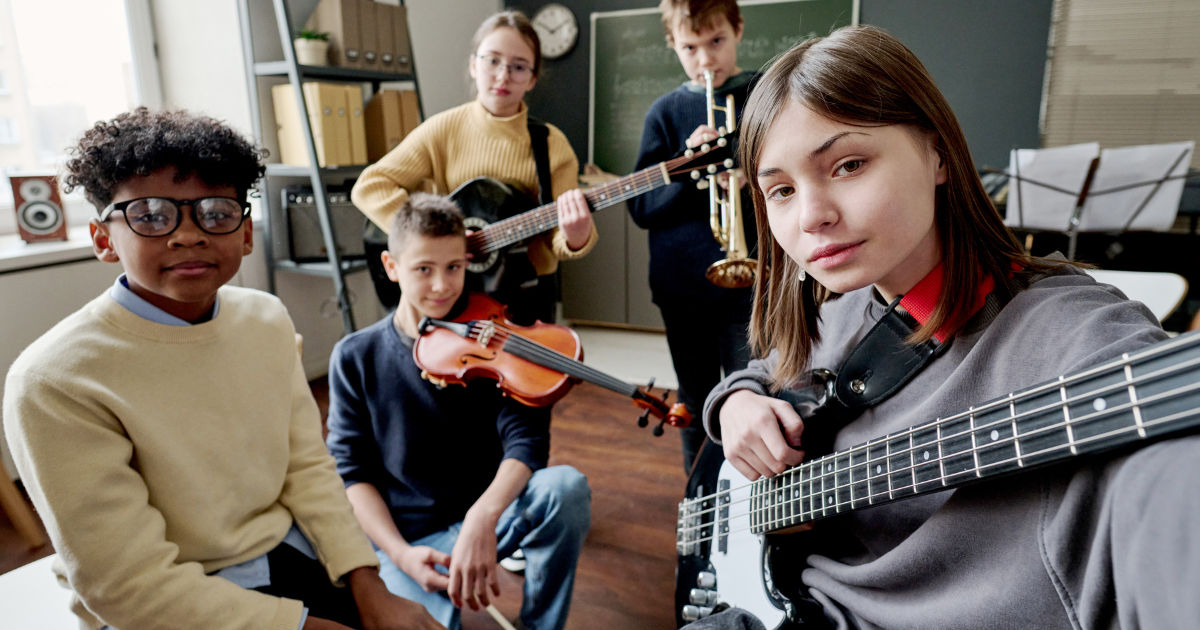
A Guide to Children’s Private Piano Lessons AustinA Guide to Children’s Private Piano Lessons Austin

Music has always played a vital role in the growth and development of children. Learning an instrument, especially the piano, offers benefits that go beyond simply playing music.

If you are a parent in Austin considering musical education for your child, enrolling them in Private piano lessons Austin can be a life-changing decision.

This comprehensive guide will explore everything you need to know about private piano lessons for children, including their benefits, what to expect, and how to choose the right instructor.

Why Choose Private Piano Lessons for Children

Private piano lessons offer a personalized learning experience that group classes often cannot provide. When children receive one-on-one instruction, the teacher can tailor lessons to their skill level, learning style, and pace. This individualized approach ensures that children develop a strong foundation and avoid forming bad habits early on.

Private piano lessons Austin offer this customized experience, allowing children to progress more effectively while building confidence in their abilities. Unlike group lessons, private sessions also provide immediate feedback, which is crucial for mastering complex piano techniques.

Benefits of Piano Lessons for Children

Cognitive Development

Learning to play the piano enhances cognitive abilities in children. Research shows that children who play the piano improve their memory, problem-solving skills, and concentration. The process of reading music and translating it into finger movements stimulates both hemispheres of the brain, fostering intellectual growth.

Emotional Growth

Music allows children to express themselves emotionally. Private piano lessons encourage creativity, helping children develop self-awareness and emotional intelligence. Playing the piano can also be therapeutic, reducing stress and promoting relaxation.

Discipline and Focus

Regular piano practice instills discipline in children. Through Private piano lessons Austin, children learn the importance of consistent practice, goal-setting, and time management. These skills often transfer into other areas of life, including academics and extracurricular activities.

Social Skills and Confidence

While piano lessons are typically solitary, performing in recitals or small gatherings helps children build social skills. Achieving musical milestones in Private piano lessons Austin boosts self-esteem and fosters a sense of accomplishment.

Understanding Different Piano Teaching Methods

Selecting the right teaching method is essential to a child’s progress. Various approaches exist, each with unique advantages.

Traditional Method

The traditional method focuses on reading sheet music and classical techniques. It emphasizes discipline, hand positioning, and music theory. This method is ideal for children who enjoy structured learning and aspire to develop classical piano skills.

Suzuki Method

The Suzuki method emphasizes learning by listening and imitation, similar to how children acquire language skills. Students often begin playing by ear and gradually transition to reading music. This method is highly effective for young children and those with a strong auditory learning style.

Contemporary/Popular Music Approach

Some instructors incorporate contemporary music, making lessons more engaging for children. Playing familiar songs can motivate children and make learning enjoyable. Private piano lessons Austin often offer flexibility in song selection, ensuring that children remain interested and motivated.

How to Choose the Right Piano Teacher

Choosing a teacher is one of the most important decisions for your child’s musical journey. Here are key factors to consider:

Qualifications and Experience

Look for instructors with formal education in music and experience teaching children. Teachers with a background in pedagogy understand how to adapt lessons to a child’s developmental stage.

Teaching Style

Every child learns differently. Some children respond well to strict guidance, while others thrive in a more relaxed and playful environment. Discuss teaching methods with potential instructors to ensure a good match.

Communication Skills

A teacher should communicate effectively with both the child and parent. Clear instructions, encouragement, and constructive feedback are essential for a positive learning experience.

Location and Schedule

Convenience matters. Choose Private piano lessons Austin locations that are easily accessible. Flexible scheduling ensures that lessons fit into your child’s routine without adding stress.

Setting Realistic Goals for Piano Lessons

Short-Term Goals

Short-term goals help children stay motivated. These could include learning a new song, mastering a scale, or performing in a small recital. Setting achievable milestones ensures children feel accomplished and engaged.

Long-Term Goals

Long-term goals provide direction and purpose. They could involve preparing for music exams, participating in competitions, or performing in concerts. Private piano lessons Austin instructors often help children set realistic long-term objectives, fostering a sense of commitment and dedication.

The Role of Practice in Piano Learning

Practice is the backbone of musical development. Children need structured practice sessions that focus on technique, musicality, and repertoire.

Creating a Practice Routine

Consistency is key. Encourage your child to practice at the same time each day in a quiet, distraction-free environment. Short, focused sessions are often more effective than long, irregular practice.

Tracking Progress

Use practice journals or apps to track improvements. Seeing tangible progress motivates children and helps teachers adjust lessons to address specific challenges.

Balancing Fun and Discipline

While practice is essential, maintaining fun is equally important. Incorporate games, challenges, or duet sessions to make learning enjoyable. Private piano lessons Austin can offer creative approaches to keep children engaged.

Common Challenges in Piano Lessons

Learning piano is rewarding but comes with challenges. Understanding these hurdles can help parents and teachers support children effectively.

Frustration and Lack of Motivation

Children may get frustrated if progress is slow. Encouragement, positive reinforcement, and celebrating small achievements help overcome these feelings.

Physical Strain

Young children may experience hand fatigue or poor posture. Teachers should ensure proper hand positioning and take breaks during practice to prevent strain.

Balancing Piano with Other Activities

Children often have busy schedules. Parents should help balance piano practice with schoolwork, sports, and social activities. Private piano lessons Austin often offer flexible schedules to accommodate children’s busy lives.

Choosing the Right Piano for Your Child

Having the right instrument is crucial. Parents should consider the following:

Acoustic vs. Digital Pianos

Acoustic pianos provide authentic sound and feel, ideal for serious learners. Digital pianos are often more affordable, portable, and come with volume control, making them suitable for home use.

Size and Key Action

Ensure the piano is appropriate for the child’s age and hand size. Weighted keys simulate the feel of an acoustic piano and build finger strength.

Maintenance

Acoustic pianos require regular tuning, while digital pianos are low maintenance. Consider your commitment to upkeep when choosing an instrument.

Preparing for Piano Recitals and Exams

Performance is an integral part of learning piano. Recitals and exams provide goals and motivation.

Recitals

Recitals help children gain confidence and stage experience. They also allow parents to witness their child’s progress. Private piano lessons Austin teachers often organize small recitals or studio concerts.

Music Exams

Formal music exams, such as those from ABRSM or Trinity College London, provide structured benchmarks for progress. Exams test technique, theory, and performance skills, giving children a sense of achievement.

How Private Lessons Differ from Group Lessons

Private lessons offer a focused, personalized approach, while group lessons may lack individual attention. In one-on-one sessions, teachers can address specific challenges, adapt teaching methods, and progress at a pace suitable for the child. This personalized approach is why many parents in Austin prefer Private piano lessons Austin for their children.

Cost of Private Piano Lessons in Austin

The cost of private piano lessons varies depending on factors like teacher experience, lesson duration, and location. On average, lessons in Austin range from $40 to $80 per hour. While private lessons may seem expensive compared to group classes, the benefits of personalized instruction often outweigh the costs.

Tips for Budget-Friendly Options

  • Consider shorter lesson durations (30–45 minutes) for younger children.

  • Look for local music schools offering package deals.

  • Explore community programs or scholarships for music education.

Online vs. In-Person Piano Lessons

Both online and in-person lessons have advantages.

In-Person Lessons

These allow direct interaction, immediate feedback, and hands-on guidance. They are ideal for younger children who require more supervision.

Online Lessons

Online lessons provide flexibility and convenience. With video calls, children can learn from experienced instructors anywhere. Private piano lessons Austin often offer hybrid models to combine the benefits of both.

Encouraging Lifelong Musical Skills

The goal of piano lessons is not just to play music but to instill a lifelong appreciation for it. Parents can support this by encouraging practice, attending performances, and discussing music at home. Children who enjoy their learning experience are more likely to continue playing piano into adulthood.

Conclusion

Choosing Private piano lessons Austin for your child is a significant investment in their intellectual, emotional, and social development. From cognitive benefits to emotional expression and discipline, piano lessons provide a wide array of advantages that go beyond music. By understanding the different teaching methods, selecting the right instructor, and creating a supportive learning environment, parents can help their children flourish as musicians and individuals.

Whether your child aspires to play classical pieces, modern songs, or perform in concerts, private piano lessons offer the personalized attention necessary for success. With dedication, encouragement, and the right guidance, children in Austin can unlock their musical potential and enjoy a lifelong love of music.

How Kids Drum Lessons in Austin Boost Focus?How Kids Drum Lessons in Austin Boost Focus?

In today’s fast-paced world, parents are constantly seeking activities that not only entertain their children but also improve their cognitive skills. One such activity gaining immense popularity is Drum lessons Austin. These lessons are more than just a musical outlet—they play a crucial role in enhancing children’s focus and attention.

Learning to play the drums requires coordination, timing, and concentration, making it a perfect tool to help kids develop essential skills that can benefit them academically and socially.

Drumming involves both the mind and body, forcing children to pay attention to rhythm, sequence, and timing. This complex interaction stimulates various parts of the brain simultaneously, which directly translates into better focus.

For parents and educators looking for ways to improve a child’s attention span, Drum lessons Austin offer an engaging and effective solution.

In this comprehensive guide, we will explore the many ways drum lessons help children boost focus, the science behind it, and practical steps for incorporating drumming into your child’s routine.

Focus in Children

Focus is the ability to direct attention and sustain it on a particular task. For children, especially in today’s digital age filled with distractions, maintaining focus can be challenging. Lack of attention often affects academic performance, social skills, and emotional well-being.

Kids who struggle with focus may become easily frustrated, inattentive in class, or have trouble completing tasks. Experts believe that structured activities requiring sustained attention can help children develop better focus over time. Music, especially drumming, is one of the most effective activities for this purpose.

The Science Behind Drumming and Focus

Research indicates that musical training, particularly percussion instruments like drums, activates multiple areas of the brain. Drumming is not just about hitting the drum—it involves reading music, coordinating hand and foot movements, counting rhythms, and listening attentively. This multi-tasking element strengthens neural connections and enhances executive functions such as:

  • Working Memory: Remembering rhythm patterns improves short-term memory.

  • Cognitive Flexibility: Switching between different rhythms encourages adaptability.

  • Self-Control: Maintaining consistent beats requires patience and discipline.

When children participate in Drum lessons Austin, their brains engage in high-level problem-solving, which directly impacts their ability to concentrate on other non-musical tasks.

How Drum Lessons Improve Focus

1. Enhancing Attention Span

Drum lessons require students to listen carefully, follow instructions, and practice repetitive patterns. This continuous engagement trains children to maintain attention for longer periods. Over time, this improved attention span extends to homework, classroom learning, and other daily activities.

2. Encouraging Discipline and Routine

Regular drum practice instills a sense of discipline. Children learn that consistent effort leads to mastery. This routine helps them structure their time, prioritize tasks, and build patience—qualities essential for sustaining focus.

3. Strengthening Hand-Eye Coordination

Drumming demands precise coordination between hands, feet, and eyes. This synchronized movement sharpens focus as children must constantly adjust their actions to stay in rhythm. Improved coordination often translates into better concentration in other areas such as sports and fine motor activities.

4. Boosting Cognitive Control

Cognitive control, the ability to manage thoughts and actions, is critical for maintaining focus. During drum lessons, kids practice controlling impulsive actions by following rhythms accurately. This self-regulation enhances their ability to concentrate in less structured environments.

5. Reducing Stress and Anxiety

Focused drumming can be meditative. The physical activity combined with rhythmic patterns allows children to channel energy positively, reducing stress and anxiety. Lower stress levels contribute to better attention and focus, creating a healthier learning environment.

The Role of Drum Instructors in Austin

Qualified instructors in Drum lessons Austin play a crucial role in enhancing focus. Experienced teachers design lessons that gradually increase in complexity, keeping children challenged yet engaged. Effective instructors also provide personalized feedback, encouraging students to concentrate on specific areas while boosting confidence.

Practical Tips for Maximizing Focus Through Drumming

1. Start with Short Sessions

Begin with 15–20 minutes of practice and gradually increase as the child becomes comfortable. Short sessions prevent frustration and keep attention levels high.

2. Set Clear Goals

Establishing specific goals, such as mastering a particular rhythm or song, gives children a tangible target to focus on. Achievement reinforces attention and motivates continued learning.

3. Use Fun and Interactive Methods

Incorporate games, challenges, and group activities during drum lessons. Interactive methods make learning enjoyable while subtly enhancing concentration.

4. Encourage Consistency

Regular practice is key to building focus. Create a consistent schedule for Drum lessons Austin to help children develop a habit of sustained attention.

5. Combine Drumming with Other Cognitive Activities

Pairing drum lessons with activities like puzzles, reading, or memory games enhances overall brain function. Multi-modal learning further strengthens attention and focus.

Case Studies and Evidence

Several studies support the link between percussion training and improved focus in children. For instance:

  • A 2017 study published in Frontiers in Psychology found that children who received rhythmic training displayed significantly better attention and working memory compared to non-musical peers.

  • Another study from the University of Toronto highlighted that drumming improves executive function, which is closely tied to focus and cognitive control.

Parents in Austin have reported noticeable changes in their children after enrolling them in drum lessons. Increased patience, longer attention spans, and improved classroom performance are among the most common benefits observed.

Choosing the Right Drum Lessons in Austin

When selecting Drum lessons Austin for your child, consider the following factors:

  • Instructor Experience: Look for teachers skilled in both percussion and child education.

  • Class Size: Smaller classes allow for more individualized attention.

  • Curriculum: Ensure the program balances fun with skill development.

  • Environment: A supportive and positive learning environment is essential for maintaining focus.

Benefits Beyond Focus

While focus is the primary advantage, drum lessons also offer additional benefits:

  • Creativity: Improvising rhythms sparks creativity.

  • Social Skills: Group lessons teach teamwork and communication.

  • Emotional Expression: Drumming provides a safe outlet for emotions.

  • Physical Fitness: Drumming is an aerobic activity that enhances stamina and coordination.

Integrating Drum Lessons with School Learning

Parents can maximize the benefits of drum lessons by linking drumming with academic tasks. For example:

  • Using rhythm to memorize multiplication tables or vocabulary.

  • Encouraging children to create drum patterns that reflect story sequences or science concepts.

  • Rewarding focused practice with positive reinforcement to strengthen attention habits.

Common Misconceptions About Drumming

Many parents assume drum lessons are noisy and chaotic. However, structured lessons in professional settings like Drum lessons Austin focus on discipline, skill development, and cognitive growth. Another misconception is that drumming is only for musically inclined children. In reality, any child can benefit, as lessons are tailored to individual learning styles and abilities.

Making Drum Lessons Enjoyable

To ensure children remain engaged, it is essential to:

  • Rotate between different drum styles and exercises.

  • Include music they enjoy.

  • Celebrate small milestones to maintain motivation.

Encouraging Long-Term Focus Development

Drum lessons should not be a short-term activity. Continuous practice over months and years builds lasting attention skills. Encourage children to participate in performances, competitions, or group projects to challenge their focus in real-world situations.

Conclusion

Drum lessons Austin offer far more than musical training—they are a powerful tool for improving focus in children. Through rhythm, coordination, and discipline, drumming activates multiple areas of the brain, enhances cognitive function, and teaches valuable life skills. From improving attention span to reducing stress, the benefits are extensive and long-lasting. By choosing the right instructors, creating consistent practice routines, and making lessons enjoyable, parents can ensure that their children not only become skilled drummers but also develop the focus necessary for success in academics and life.

Investing in drum lessons is an investment in a child’s cognitive, emotional, and social growth. For any parent seeking a meaningful way to enhance their child’s attention and concentration, enrolling in Drum lessons Austin is a step toward a brighter, more focused future.