
What Are the Key Waste Management Challenges in Reno?What Are the Key Waste Management Challenges in Reno?
The topic of waste management in reno nv has become increasingly important as the city grows, urbanizes, and faces new environmental pressures. Every household, business, and public space contributes to the expanding waste stream, making waste management in reno nv a major concern for policymakers and residents.
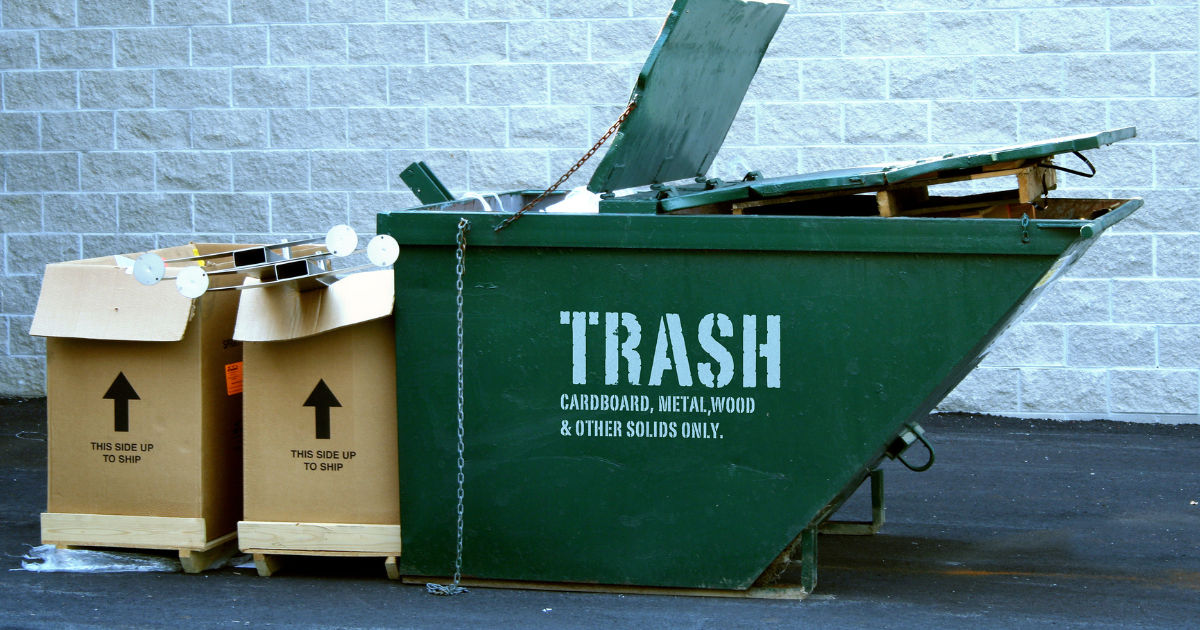
In this comprehensive guide, we will explore the biggest challenges connected to waste management in reno nv, why they exist, and what steps can be taken to solve them. From population growth to recycling inefficiencies, understanding these issues helps communities build a cleaner, more sustainable future — and highlights why waste management in reno nv needs focused action.
Reno’s Growing Waste Problem
As Reno continues to expand, so does the volume of solid waste. The demand for waste management in reno nv has increased due to rising population, business development, and tourism. These factors create strain on existing systems, making waste management in reno nv more complex and costly. Modern waste streams include everything from food scraps and plastics to hazardous materials, requiring advanced processing methods. Without improvements, waste management in reno nv will struggle to keep up with demand, leading to environmental and economic consequences.
Population Growth and Urban Sprawl
One of the biggest challenges for waste management in reno nv is the city’s rapid growth. More residents mean more trash, and more trash requires better systems. Reno’s expansion into suburban areas increases collection routes, fuel use, and operational expenses. Each new neighborhood adds pressure to existing facilities, showing how population growth directly impacts waste management in reno nv. In addition, as new construction projects emerge, the amount of construction waste rises, complicating waste management in reno nv even further.
Limited Recycling Infrastructure
Another major issue is Reno’s limited recycling capacity. Many residents want to recycle, but the system struggles with contamination, outdated sorting equipment, and limited market demand for recyclables. This makes waste management in reno nv particularly challenging because recyclable materials often end up in landfills. When contamination occurs—such as mixing food waste with paper—the entire batch may be discarded. This breakdown in recycling efficiency contributes to growing landfill pressure and weakens the long-term sustainability of waste management in reno nv.
Landfill Dependence and Capacity Issues
Reno relies heavily on landfills, and this dependence raises red flags for future planning. As the landfill nears capacity, the cost of land acquisition, transportation, and development increases. This makes waste management in reno nv much more expensive in the long run. Landfills also generate methane, a potent greenhouse gas, further complicating the environmental side of waste management in reno nv. With limited space and rising waste volumes, the city must consider alternatives before the system becomes overwhelmed.
Hazardous Waste Disposal Concerns
Proper disposal of hazardous waste is critical for public health. Items like batteries, chemicals, paint, and electronics cannot be tossed into regular bins. Unfortunately, improper disposal remains common, making hazardous materials a major problem in waste management in reno nv. When these items end up in the landfill, they can leak toxins into soil and groundwater. Improving hazardous waste drop-off programs would strengthen waste management in reno nv, but awareness and accessibility remain barriers.
Commercial Waste and Business Growth
Reno’s economic growth, especially in hospitality, gaming, and technology, has increased commercial waste production. Restaurants create large amounts of food waste, hotels dispose of packaged goods daily, and tech companies generate electronic waste. This surge creates added strain on waste management in reno nv systems. Businesses require specialized recycling programs and frequent pickups, but coordination and cost challenges limit improvement. A stronger commercial waste strategy would significantly enhance the effectiveness of waste management in reno nv.
Seasonal and Tourism-Driven Waste
Tourism brings financial benefits, but also more waste. Special events, festivals, and casino tourism contribute tons of additional trash every year. This seasonal spike makes waste management in reno nv unpredictable and difficult to plan. Labor shortages, equipment strain, and overflowing bins become common during high-traffic months. Improving staffing and temporary collection systems could help stabilize the seasonal impact on waste management in reno nv.
Illegal Dumping and Public Cleanliness
Illegal dumping is another persistent challenge. Abandoned furniture, appliances, and construction debris often appear in public spaces, creating sanitation issues and affecting neighborhood quality. This behavior strains waste management in reno nv, forcing the city to allocate extra resources for cleanup. Illegal dumping also blocks waterways, harms wildlife, and reduces community appeal. Better enforcement, public education, and affordable disposal services could reduce this burden on waste management in reno nv.
Waste Collection Logistics and Routing
Efficient routing is essential for smooth waste collection, but Reno’s expanding geography makes this increasingly complicated. Longer routes require more fuel, more staff, and more fleet maintenance. These factors increase operational stress on waste management in reno nv. As diesel prices fluctuate and vehicle aging becomes a factor, the cost of running the system rises. Optimizing routing technology would support the productivity of waste management in reno nv and reduce unnecessary waste collection delays.
Organic Waste and Composting Limitations
Organic waste makes up a significant portion of household trash. However, Reno’s composting facilities are limited, causing organic materials to end up in landfills. This adds to methane emissions and undermines environmentally friendly goals. Expanding compost programs would greatly improve waste management in reno nv, but there are challenges: program costs, resident participation, and facility limitations. Without more investment, organic waste will continue to be a major strain on waste management in reno nv.
Public Awareness and Education
Education plays a crucial role in waste reduction. Many residents are unaware of what can be recycled, how to compost correctly, or where to dispose of hazardous items. This lack of awareness complicates waste management in reno nv because contamination levels rise and system efficiency declines. Creating community outreach programs, school campaigns, and clear guidelines would greatly support waste management in reno nv and reduce mistakes that contribute to overflow and operational inefficiencies.
Environmental Regulations and Compliance
Environmental laws protect public health but add regulatory pressure on waste companies. Compliance requires investment in technology, labor, reporting, and monitoring. These added requirements increase the cost of waste management in reno nv. When regulations change, the city and private providers must adjust quickly, and this can disrupt operations. Understanding and balancing environmental rules with practical needs remains a central issue in waste management in reno nv.
Technology Gaps and Outdated Equipment
Advanced waste processing equipment is expensive. Reno’s waste facilities often struggle with aging equipment that cannot efficiently sort or process modern waste streams. This makes waste management in reno nv slower and more costly. Upgrading equipment could improve recycling rates, reduce contamination, and extend landfill lifespan, but funding challenges limit progress. Closing this technology gap would dramatically strengthen waste management in reno nv.
The Role of Climate and Weather
Climate conditions in Nevada impact waste management operations. Extreme heat affects worker safety and accelerates waste decomposition, producing strong odors and attracting pests. Snow or heavy storms delay pickup schedules, placing pressure on waste management in reno nv during winter months. Climate-related interruptions underline the need for flexible and resilient waste management in reno nv systems.
Community Involvement and Behavioral Change
Community participation is vital for long-term improvement. When residents actively recycle, compost, and dispose of waste properly, the entire system functions better. But without ongoing engagement, waste management in reno nv faces unnecessary obstacles. Encouraging responsible behavior through reward programs, clean-up events, and educational outreach can make a meaningful difference in the success of waste management in reno nv.
Funding and Budget Limitations
Waste management requires heavy investment in vehicles, staffing, landfill operations, recycling equipment, and educational programs. Budget limitations slow down progress and cause delays in necessary upgrades. This financial strain directly affects waste management in reno nv, limiting its ability to respond to growing waste volumes. Sustainable funding solutions are essential to support the long-term stability of waste management in reno nv.
Planning for the Future
To address future needs, Reno must develop a forward-thinking strategy that strengthens recycling, expands composting, and modernizes landfill operations. Technology adoption and community participation will play major roles in overcoming current limitations. Long-term planning ensures that waste management in reno nv can meet the demands of a growing city while protecting the environment. Without proactive planning, waste management in reno nv will fall behind and face larger challenges in the coming decades.
Conclusion
Reno faces significant challenges across its waste system. Population growth, limited recycling, landfill pressure, hazardous waste issues, seasonal surges, and public awareness gaps all contribute to a complex situation. Addressing these challenges requires investment, education, efficient infrastructure, and cooperation between government, businesses, and residents. Strengthening waste management in reno nv is essential not only for environmental protection but also for public health, city development, and long-term sustainability. By understanding the full landscape of issues and taking action now, Reno can build a cleaner, greener, and more resilient waste system. Countless improvements—large and small—will play a part in shaping the future of waste management in reno nv, ensuring the city remains a thriving community for generations to come.